Septic Tank Additives: Helpful or Harmful? What We See in the Field
Occasionally, while we are out on a septic tank service call, homeowners proudly tell us they have used septic system additives. These products sound appealing with promises to break down waste with septic tank enzymes or chemicals. After servicing those tanks, our technicians see things differently. Are additives worth the time and expense, or not? Let’s explore.
We will talk about::
When to use and not use additives
What Are Septic Tank Additives and What Do They Promise?
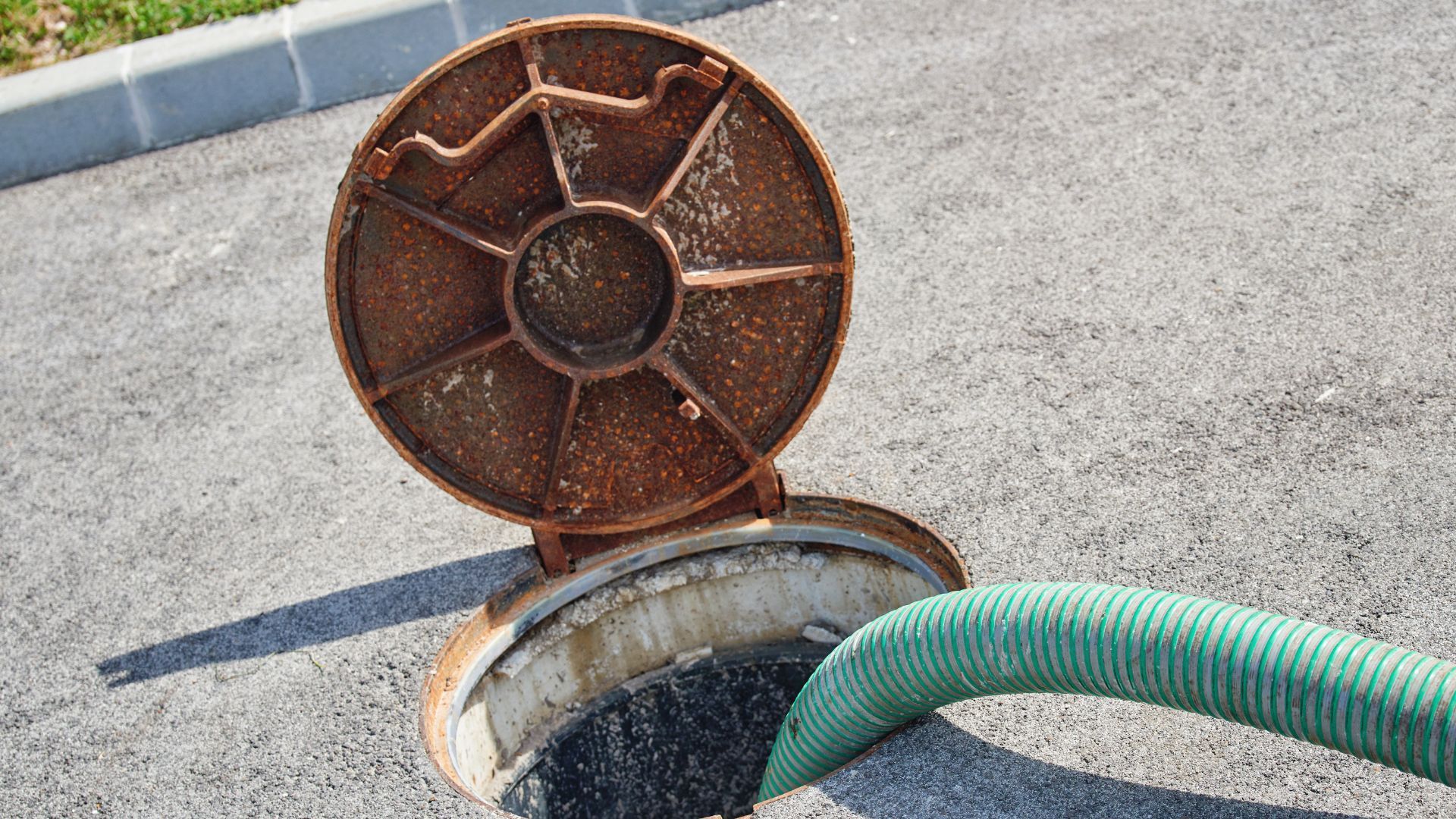
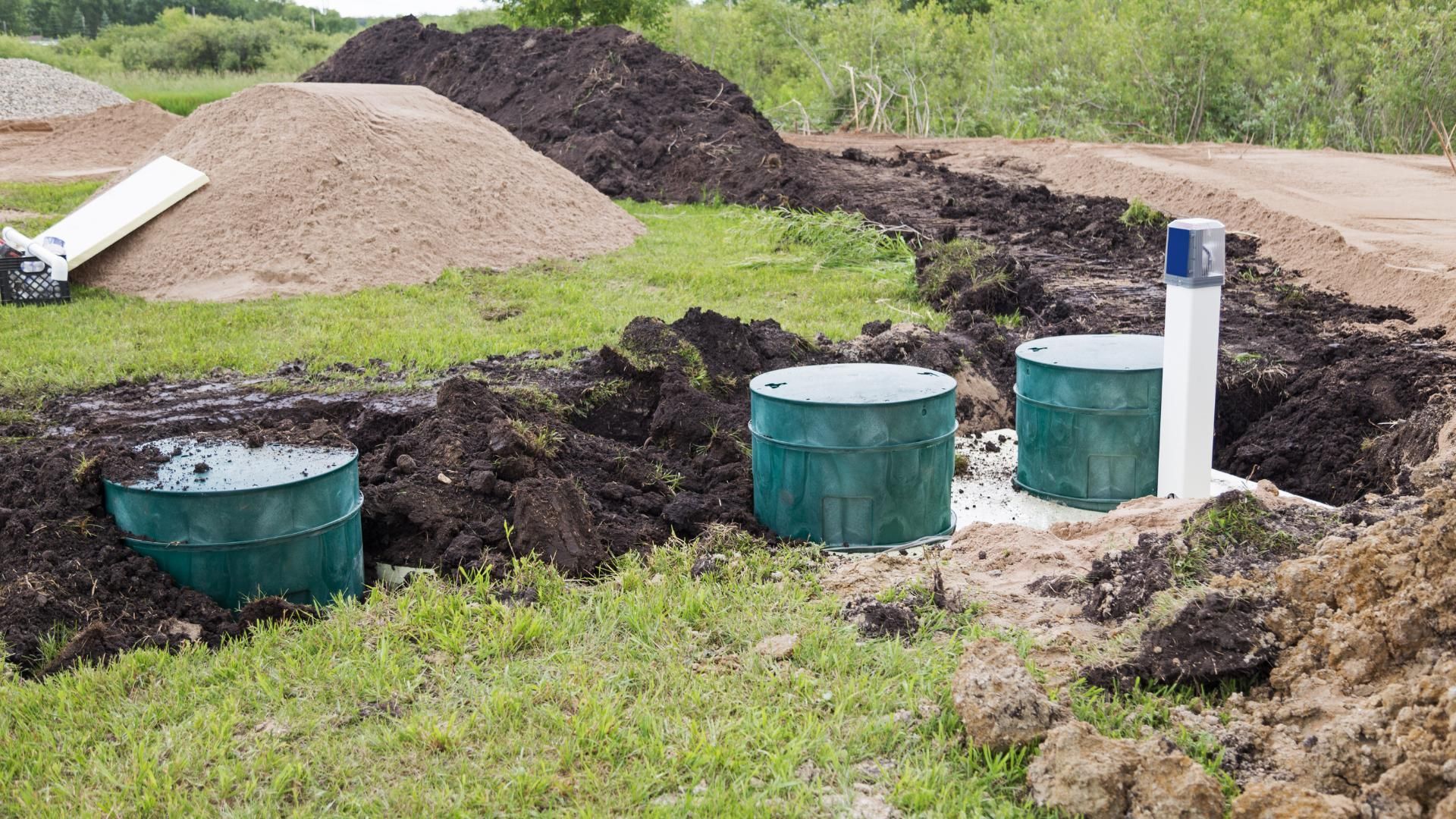
Septic systems process solid waste and break it down with the remains sinking to the bottom, and require routine septic pumping services. Septic tank additives fall into two categories: biological and chemical. Both promise to ‘improve’ the process of breaking down solid waste already done by your septic system. Biological products use bacteria, yeast, or enzymes to break down waste; chemical products also break down waste or address other tank conditions with solvents or other chemicals.
If you could simply add a solution to your tank that reduces the need for pumping, who wouldn't? But septic tank treatment claims may promise more than they deliver. Our technicians have “real-world” experience and can explain what should or shouldn’t be a part of your septic tank maintenance.
What Our Team Sees During Routine Septic Service
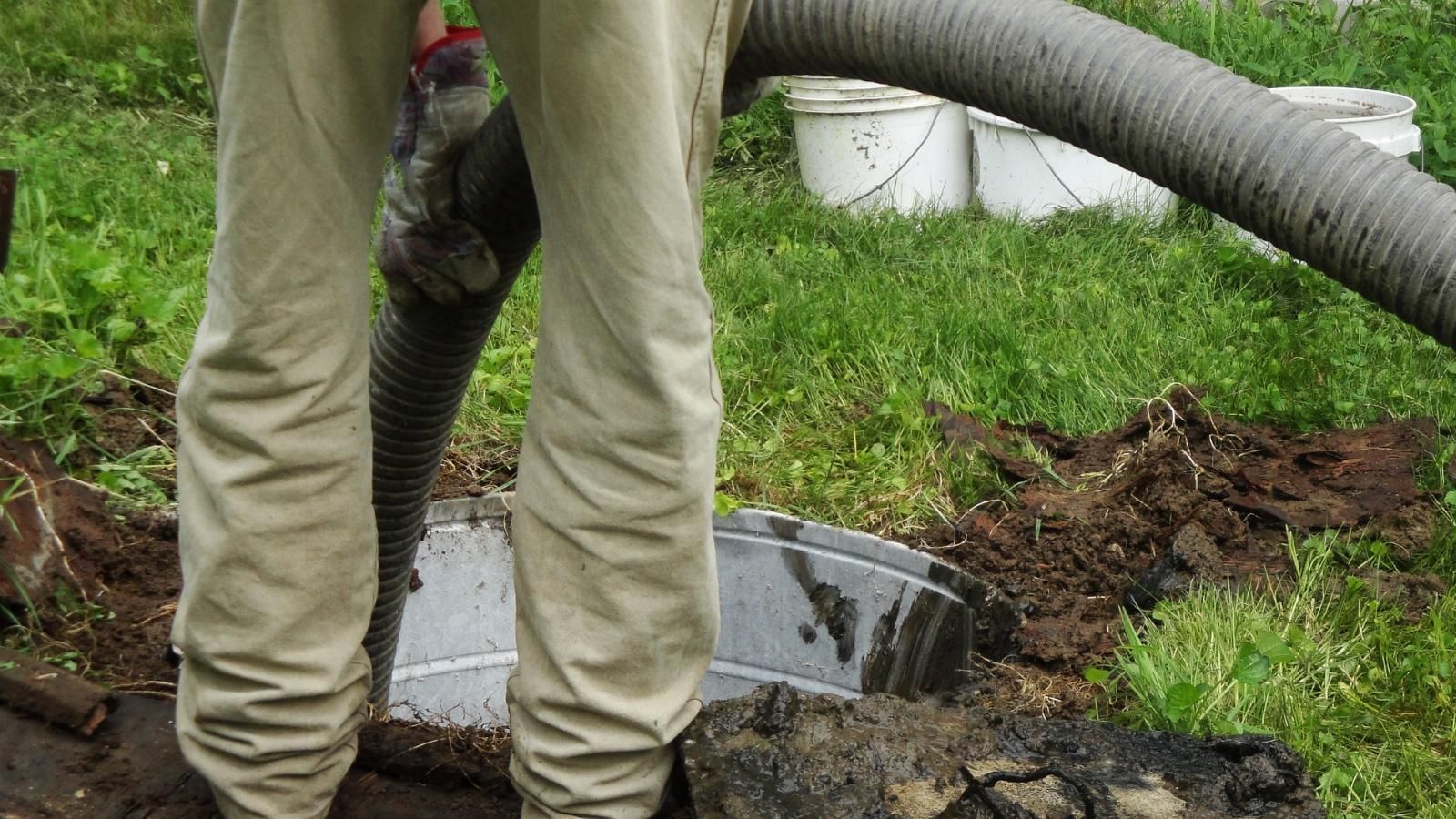
Our technicians have witnessed the huge difference consistent septic tank maintenance makes for homeowners. Well-maintained septic tanks perform well without needing additives. When regular pumping is neglected or delayed, additives rarely solve accumulated waste issues and require professional service.
The U.S. Environmental Protection Agency (EPA) validates what our techs are saying. They recommend septic tank inspections at least every three years, and tank pumping every three to five years. The household, tank size, wastewater volume, and solid amounts determine pumping frequency. The EPA also states that septic tanks contain the microorganisms needed; therefore, septic tank additives are unnecessary.
The best way to maintain your septic tank is through regular inspections, pumping when advised, and responsible everyday use. Relying on additives is not effective.
When Septic Additives May Help—and When They Won't
Naturally, septic tank treatments vary in quality; some formulas work better than others. While certain septic tank additives can address targeted issues, they can't replace routine pumping and professional care.
A well-functioning septic system relies on naturally occurring bacteria to handle waste. It’s a problem when homeowners rely on septic tank additives to fix overflowing systems, broken parts, blocked pipes, or malfunctioning hardware with products designed to support a biological process. You can use an additive for a specific purpose, but not for overfilled tanks, repairs, or other tank conditions.
Septic tank treatments only help when you understand their purpose and use them accordingly. Keep regular inspections and pumping front and center of your
septic tank maintenance plan.
What Makes the Biggest Difference in Septic System Performance?
Regular inspections and septic tank pumping, as recommended, are the best way to prevent solids from overwhelming the tank. During an inspection, technicians will spot issues before they become major problems. Your daily water conservation habits also make a difference. Each gallon of water that goes down the drain affects the septic system. Prevent tank overloading by avoiding unnecessary water use, fixing leaky faucets, and spreading out laundry loads.
Septic system treatment products may promise an easy solution, but they aren’t long-term fixes. The biggest difference in septic system performance comes from regular pumping, inspections, responsible water use, and ensuring the right things go down the drain.
How Can You Tell if Your Septic System Needs Professional Attention?
Call the pros when you see:
- Slow-moving drains throughout your home
- Persistent sewage odors
- Standing water near the tank or drainfield
- Unusually green or lush grass over the drainfield
- Sewage backing up into sinks, tubs, or toilets
Don’t reach for another septic tank treatment when you notice any of the above signs; instead, call the pros. Additives can hinder correcting the real problem. These signs indicate your tank needs pumping, you have a clog, components are damaged, the drainfield is overloaded, or you have an issue with a treatment product. At We Pump It Septic Service, our team recommends addressing the
warning signs before they become emergencies.
The Bottom Line on Septic Tank Additives
Homeowners we have spoken with faithfully used septic system additives, believing they would reduce the need for pumping. Additives may help with specific issues, but they won’t fix mechanical problems or remove solids from the tank. Nothing replaces regular pumping, inspections, responsible water use, and good disposal habits. Maintain your septic system with professional assistance tailored to your tank’s condition and requirements.
We Pump It Septic Service provides professional septic care to homeowners throughout Central Texas.
Contact our team today to schedule septic inspections or pumping services. We will ensure that your system is receiving the best care.