6 Warning Signs Your Septic System Needs Immediate Attention (And How to Address Them)
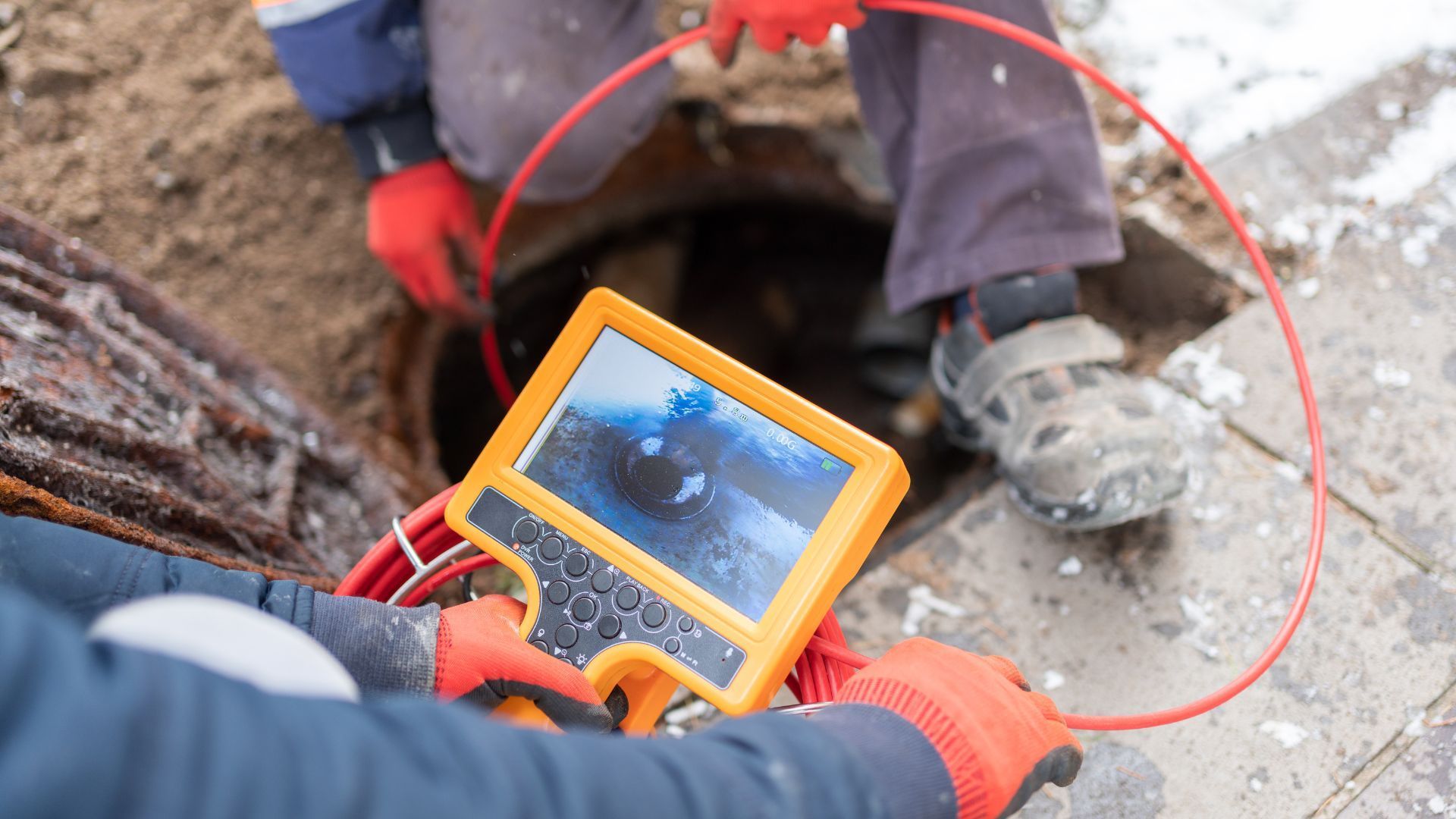
Whether you’ve already noticed signs there might be a problem or you just want to be prepared, a professional septic system inspection is the right place to start. Have you walked outside and caught a strange smell—or worse, noticed soggy patches in your yard? That’s not just annoying it could signal serious warning signs septic system needs attention.
Septic problems are rarely spontaneous. They’re usually lurking beneath the surface, compounding until small symptoms turn into costly repairs. In this post, we’ll talk about early red flags to watch out for, the signs of major system trouble, and what you can do to protect your home and property.
We will cover:
3 Early Warning Signs Never To Ignore
3 Signs Your System Is At Risk Of Failing
Don’t Ignore the Red Flags—They Can Lead to Full System Failure
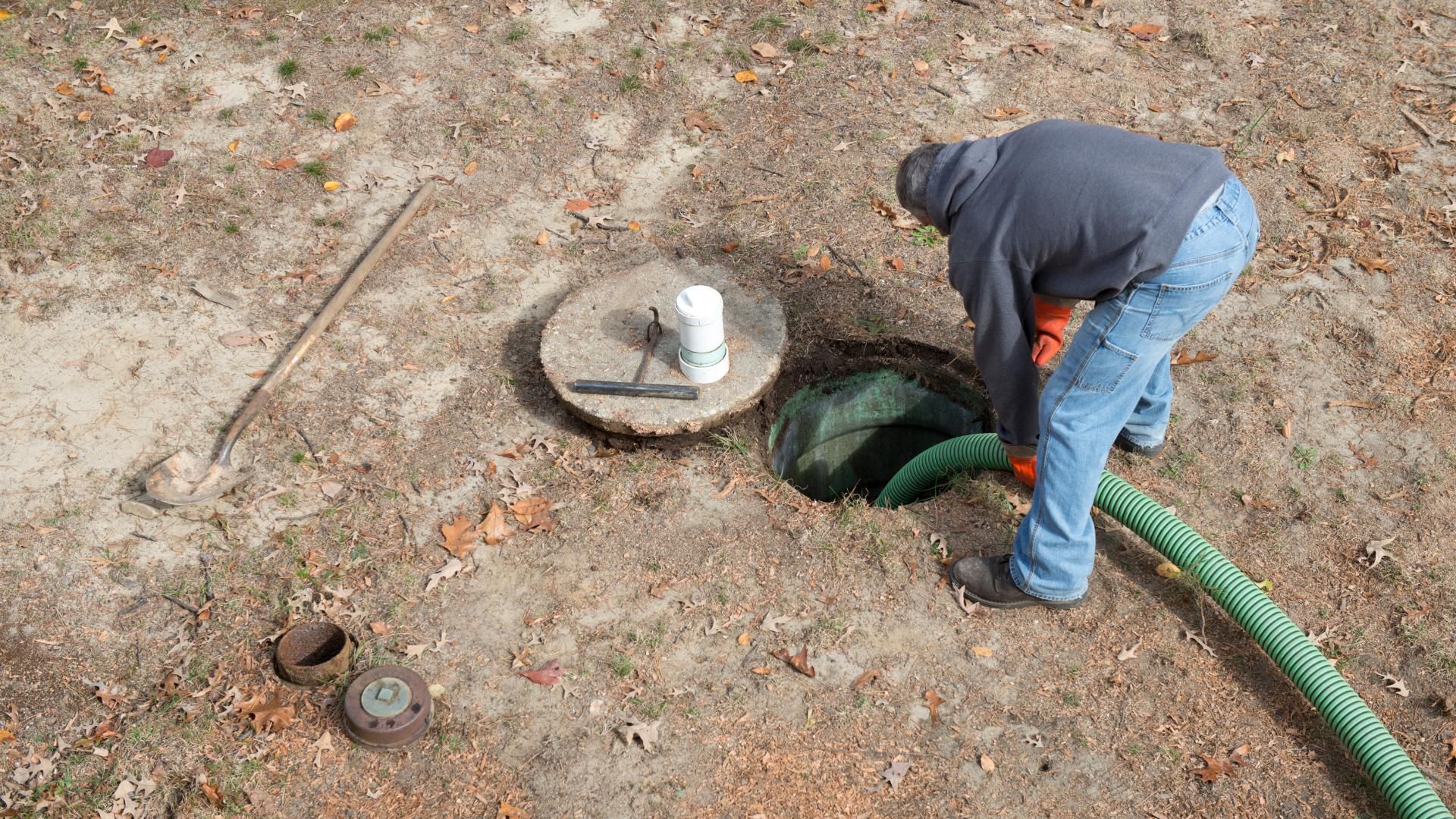
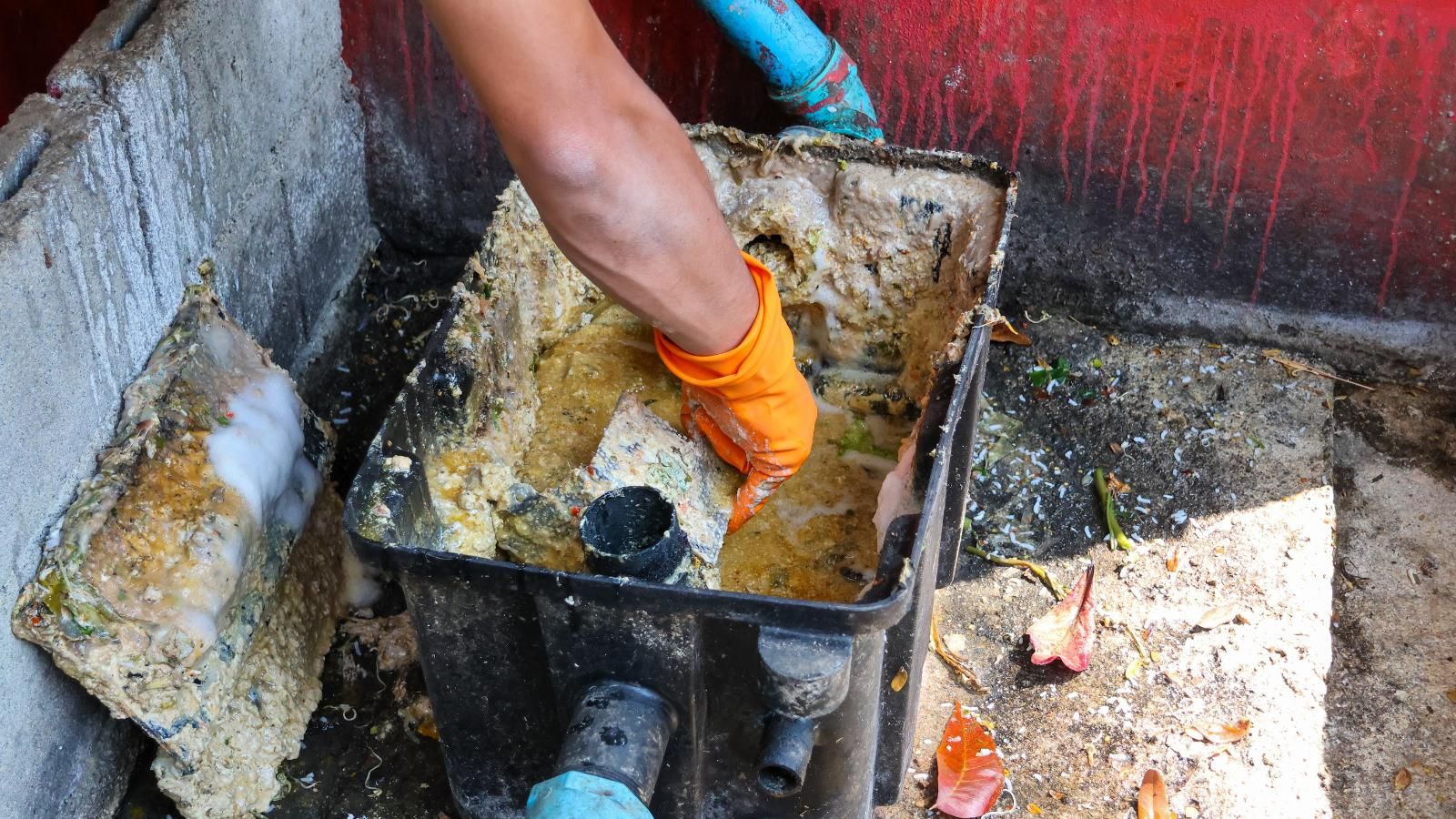
Whether you have sewer connected plumbing or a septic tank, what starts as a slow drain or a faint odor can be the first sign of septic tank issues that can escalate into complete septic system failure if left untreated.
When running optimally, septic systems are designed to work quietly and efficiently. Warning signs may be subtle at first but they can be early signs something is about to go wrong whether it’s a full tank, drain field saturation, or structural damage. Unfortunately, by the time obvious symptoms appear, repairs can be extensive and expensive.
Recognizing the early warning signs and acting quickly can prevent thousands of dollars in repairs and protect your property from long-term damage
3 Early Warning Signs You Should Never Ignore
Some of the most catastrophic septic system problems begin with symptoms homeowners dismiss as minor plumbing annoyances. Here are three early red flags:
- Slow Draining Sinks, Tubs, or Toilets: If you notice all of your drains are sluggish throughout the house it may not be a simple clog. It can be the first sign your septic tank may need to be services but how do you know when your septic tank is full? One of the earliest signs is slow drainage across multiple fixtures. It may also signal septic drain problems or the start of septic tank failure.
- Gurgling Sounds in Pipes: That gurgling sound could be trapped air indicating pressure buildup inside your system. How to tell if septic tank is full or clogged, unusual pipe noises are often an early clue.
- Unpleasant Odors Near Drains or Outside: Foul smells inside your home or near the tank area are never normal. Persistent odors can indicate rising waste levels or venting problems both of which may point to developing septic tank failure.
Ignoring these early signals increases the risk of bigger problems down the line.
3 Signs Your System Is on the Brink of Failing
Your septic system may have given subtle signs there’s a problem brewing and when symptoms escalate, your system may be approaching full septic system failure. Here are three urgent warning signs:
- Standing Water or Soggy Patches in the Yard: Pools of water near your septic area especially during a drought, are serious. These classic septic field failure symptoms are strong signs leach field is failing.
- Lush, Bright Green Grass Over the Septic Area: While green grass might seem harmless, unusually vibrant growth over your drain field often means waste nutrients are rising to the surface. This is another indicator of potential septic field failure symptoms.
- Sewage Backups Inside the Home: Wastewater backing up into toilets, tubs, or sinks is a clear sign of major septic system failure. If you experience sewage backup, it’s time to contact a professional for emergency services to prevent contamination and structural damage.
What to Do While You Wait for a Pro
After scheduling a professional septic system inspection, take these temporary precautions:
- Reduce water usage immediately. Limit laundry, showers, and dishwasher use.
- Avoid flushing anything other than toilet paper. (This is a good rule to prevent problems in the future too!)
- Keep people and pets away from soggy yard areas.
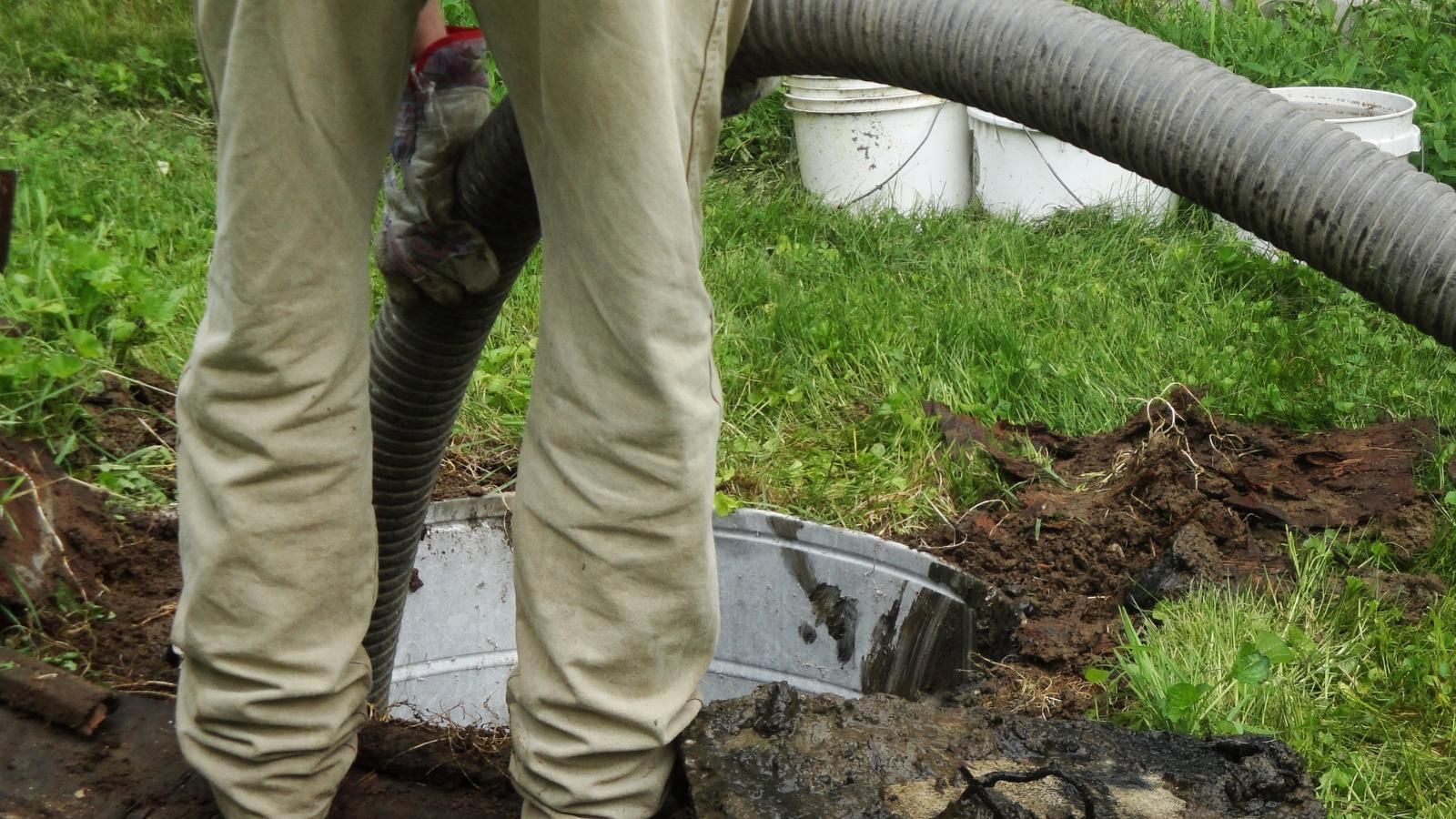
- Do not attempt to dig, open, or pump the tank yourself.
- Avoid using chemical drain cleaners—they can damage the system further.
These steps can reduce strain on the system and prevent additional damage until a technician arrives.
How Can I Prevent Septic Problems Before They Start?
How long do septic tanks last? On average and with consistent regular, many systems can function effectively for 20–40 years.
Preventive care is an upfront cost but it’s far less expensive than dealing with septic system problems when they’re urgent.
Here’s are some basic precautions and steps to take to protect your system:
- Schedule regular pumping. While frequency depends on usage and other factors, every 3-5 years is recommended.
- Have routine inspections to catch issues early.
- Conserve water to avoid overwhelming the system.
- Do not flush wipes, grease, feminine products, or harsh chemicals. Even if the package says it’s safe.
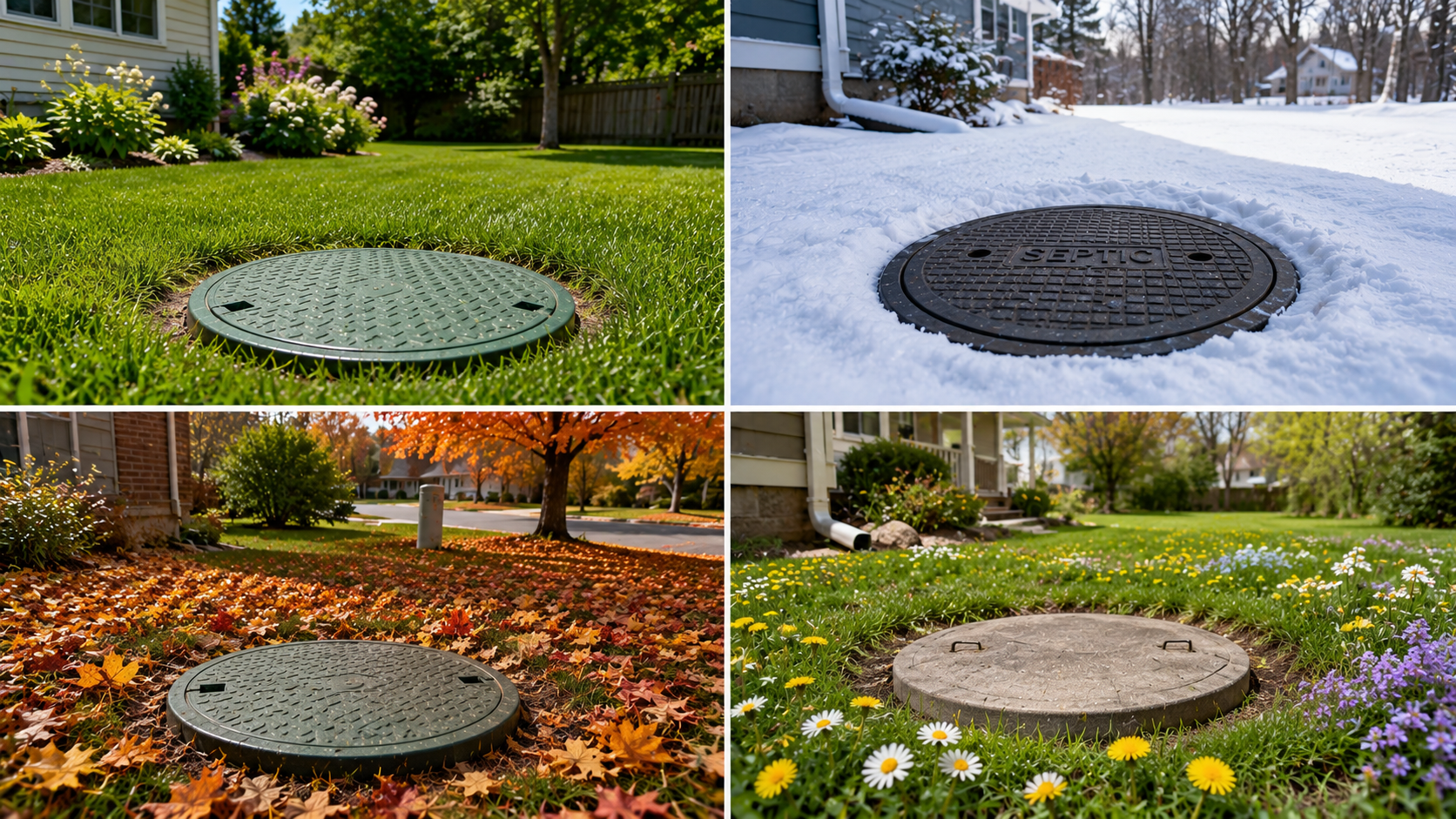
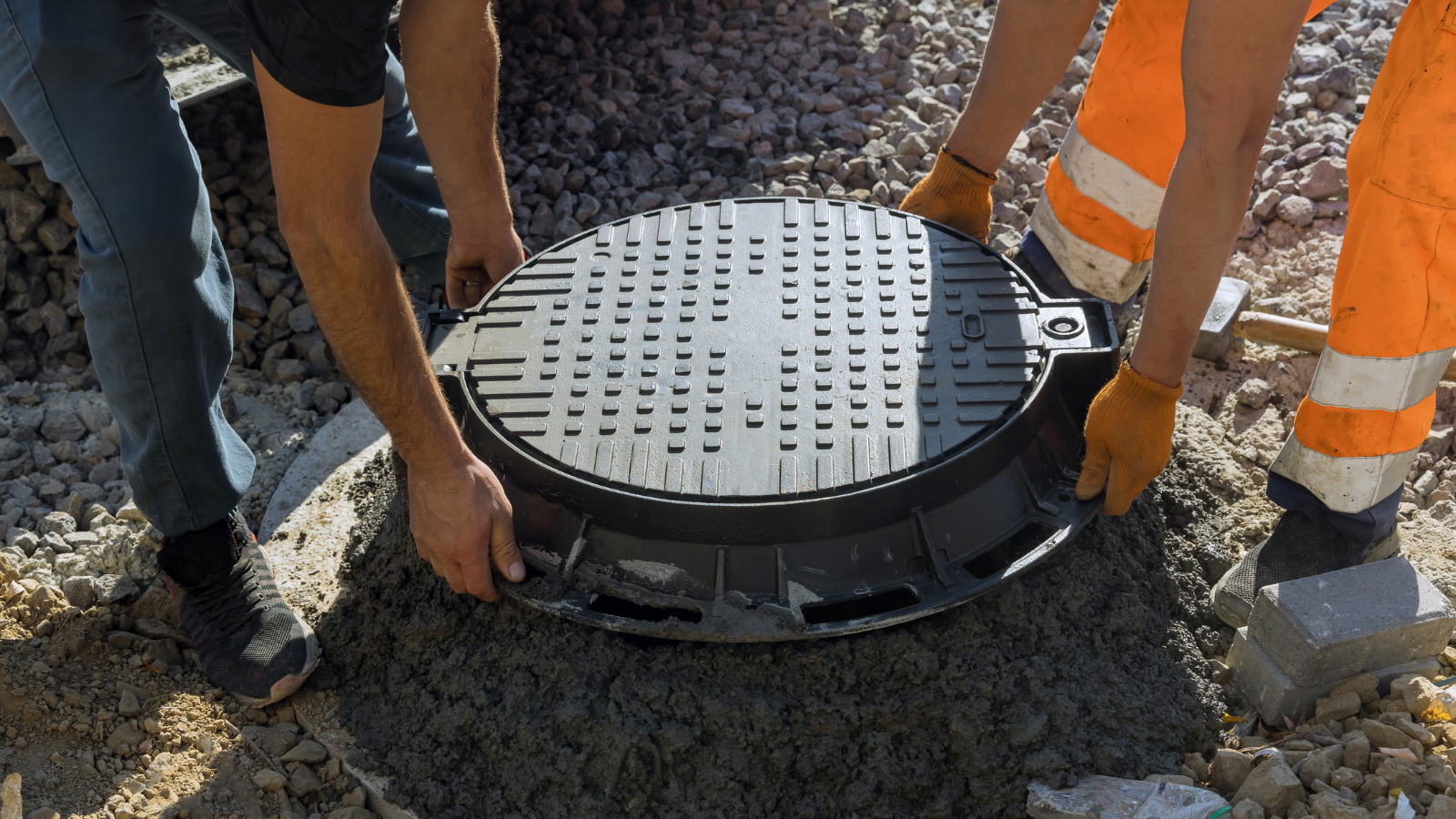
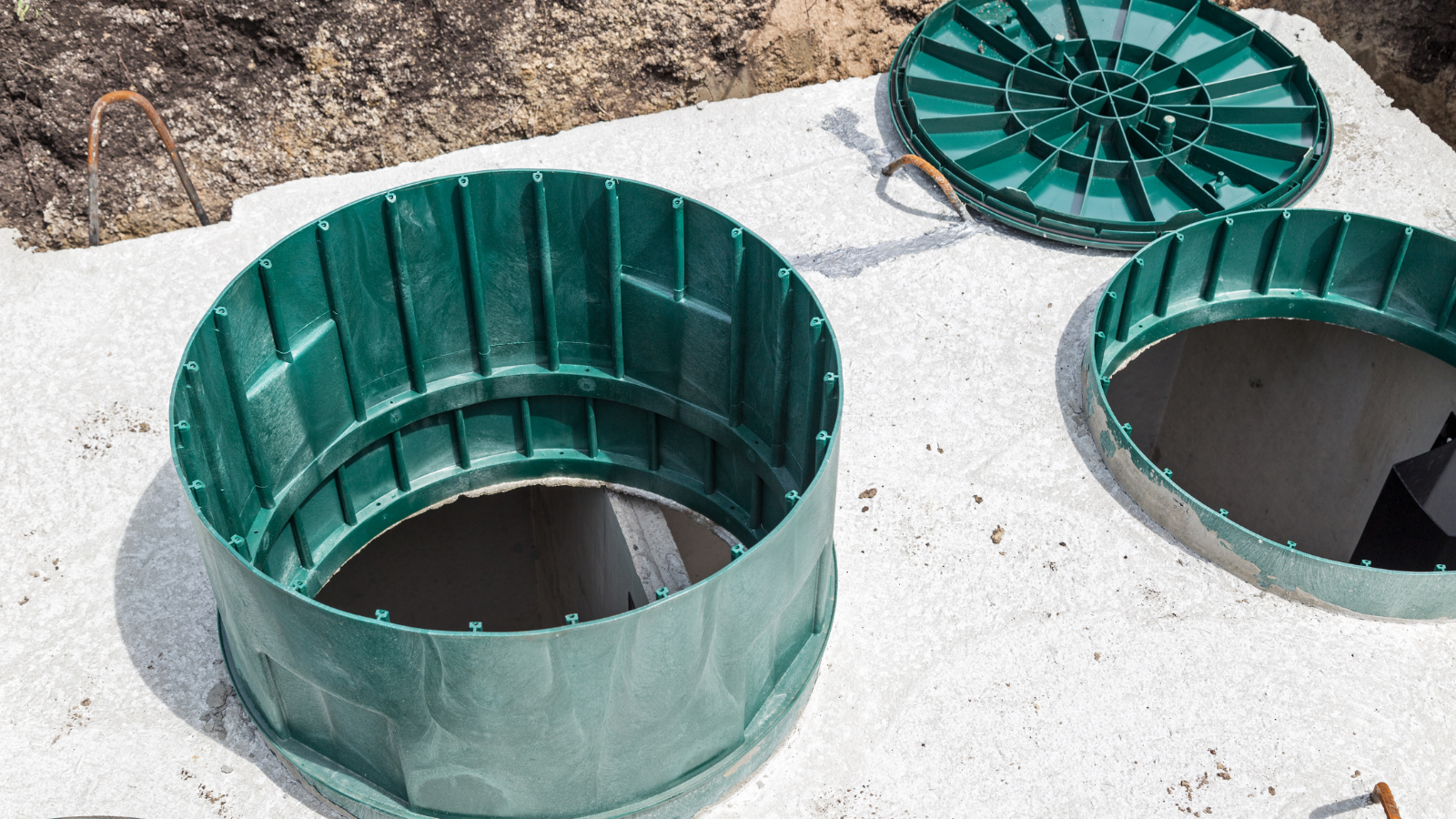
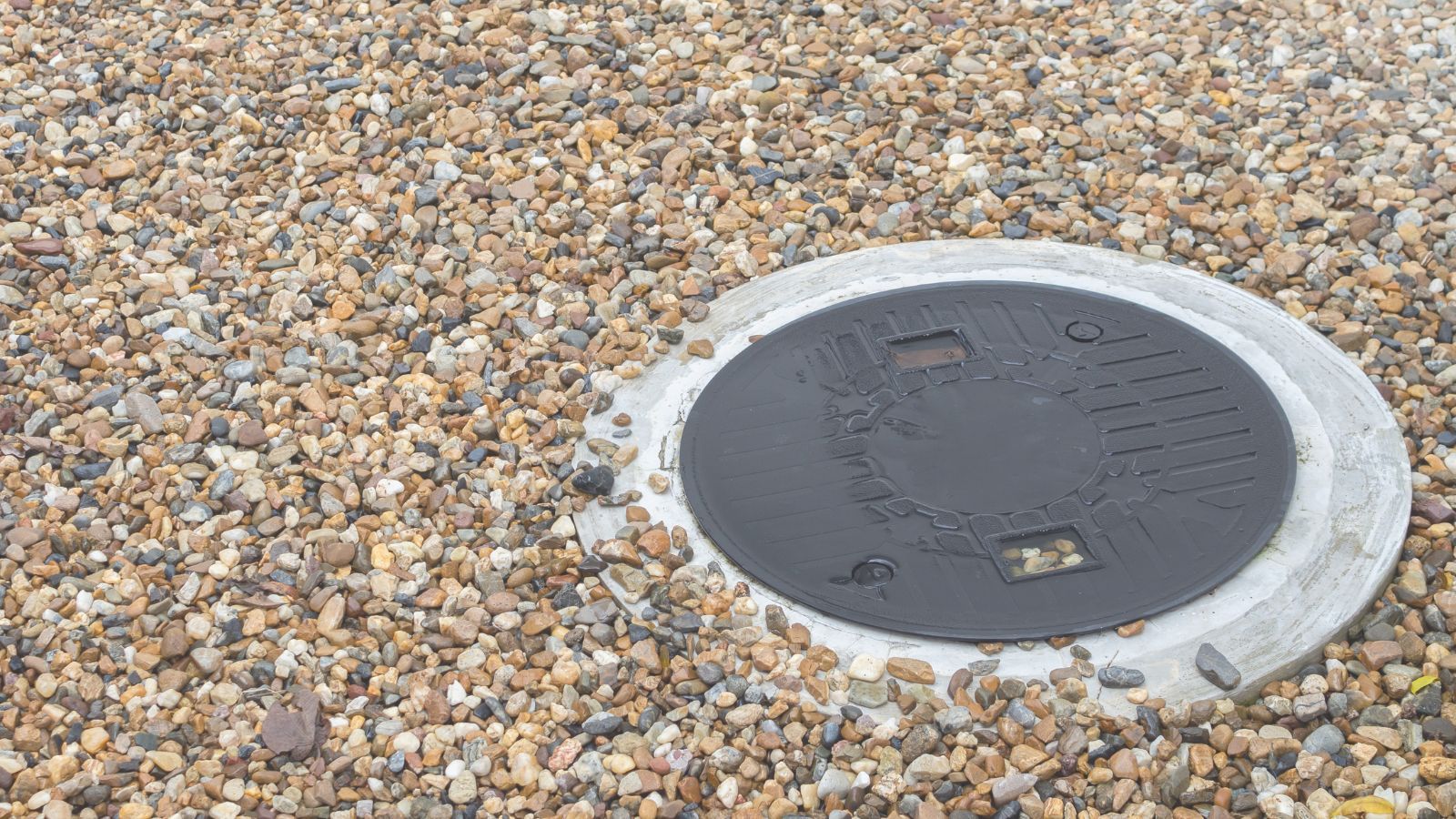
- Ensure septic tank lids and covers remain secure and undamaged.
Taking steps like these extend the life of your system and reduces the likelihood of emergency repairs.
Final Thoughts: Don’t Wait Until It’s Too Late
Now that you know how to recognize septic tank failure early can mean the difference between a routine service call and a full system replacement. That’s also why having a reliable company such as We Pump It Septic handle routine inspections the best preventative plan a homeowner can have.
Small problems don’t stay small for long. What seems like a slow drain today could turn into sewage in your home tomorrow. Acting quickly protects your property, your health, and your wallet.
If you’ve noticed any of these red flags, don’t wait.
Contact We Pump It Septic for fast, reliable septic system inspection services before the problem worsens.