How Often Should You Pump and Inspect Septic Tank? A Homeowner’s Guide
We know basic maintenance protects a lot of things, and this includes getting a septic system inspection to protect your home's wastewater system and avoid expensive repairs. Being proactive and scheduling regular inspections can go a long way to protecting you from the dreaded signs of a malfunctioning system such drains slowing down, unpleasant odors develop, or sewage backs up. If you’ve recently purchased a home with an existing septic system or you find yourself suddenly asking ‘when did we get a septic system inspect last?’ scheduling a septic system inspection is a great way to know what you’re dealing with before it becomes a catastrophe.
In this article, we offer a general ‘how often to punp a septic tank guide’ starting with understanding your system and how to care for it. We will cover:
- What Affects How Often You Need Septic Tank Pumping?
- Warning Signs Your Septic Tank May Need Attention
- How Regular Maintenance Helps Prevent Septic Problems
- When Should You Get a Septic Inspection?
Understanding Your Septic System and Why Maintenance Matters
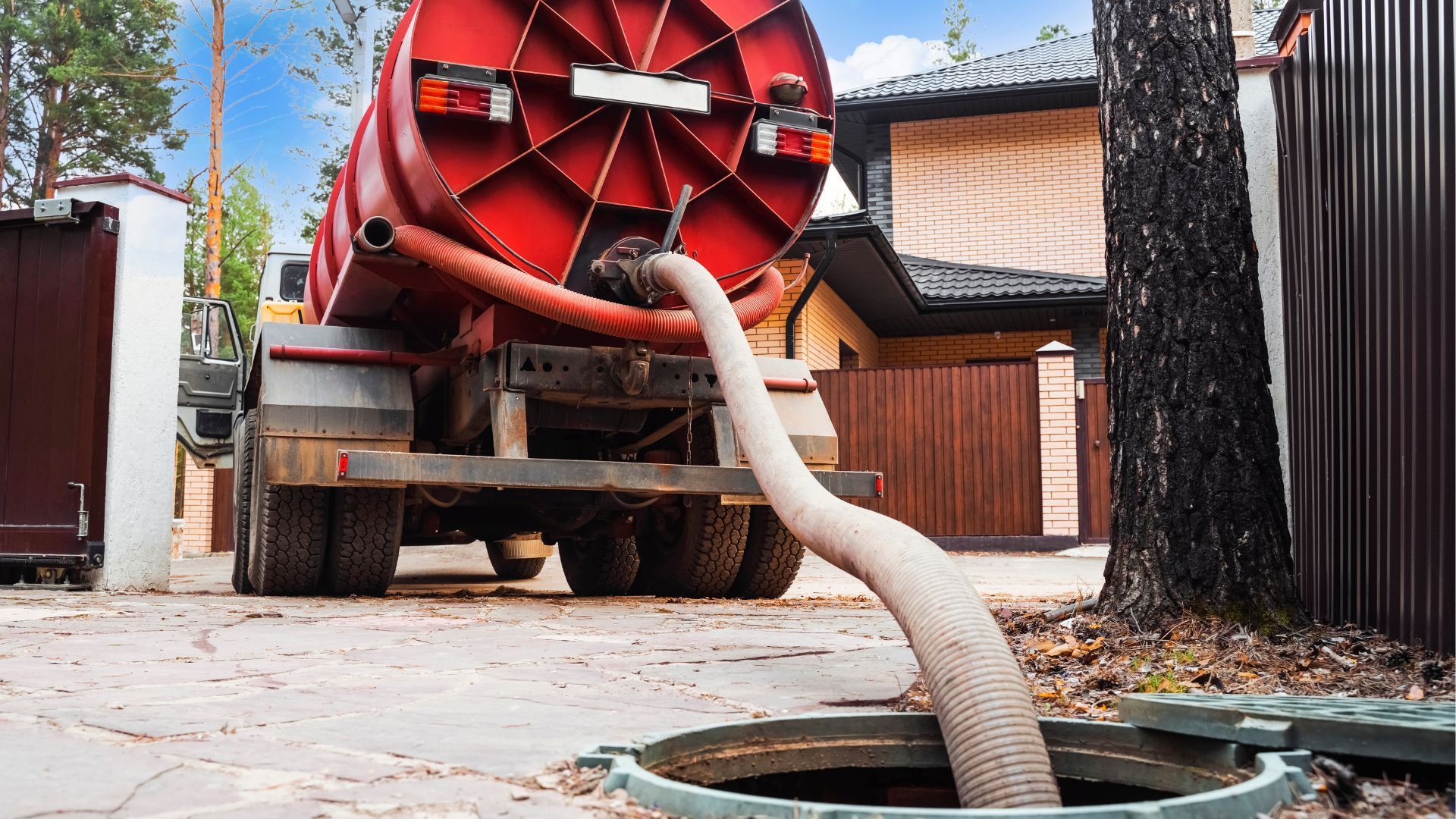
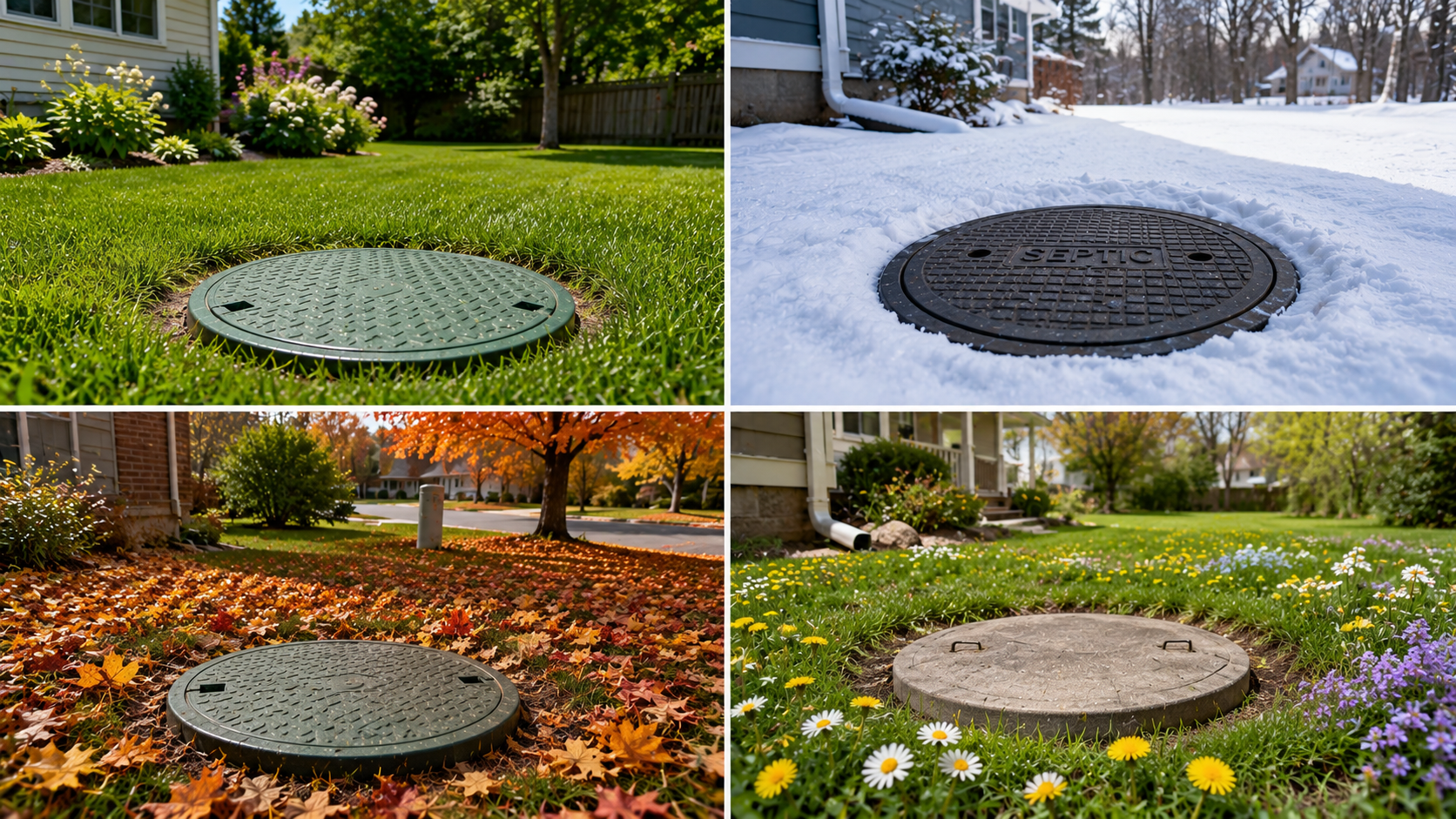
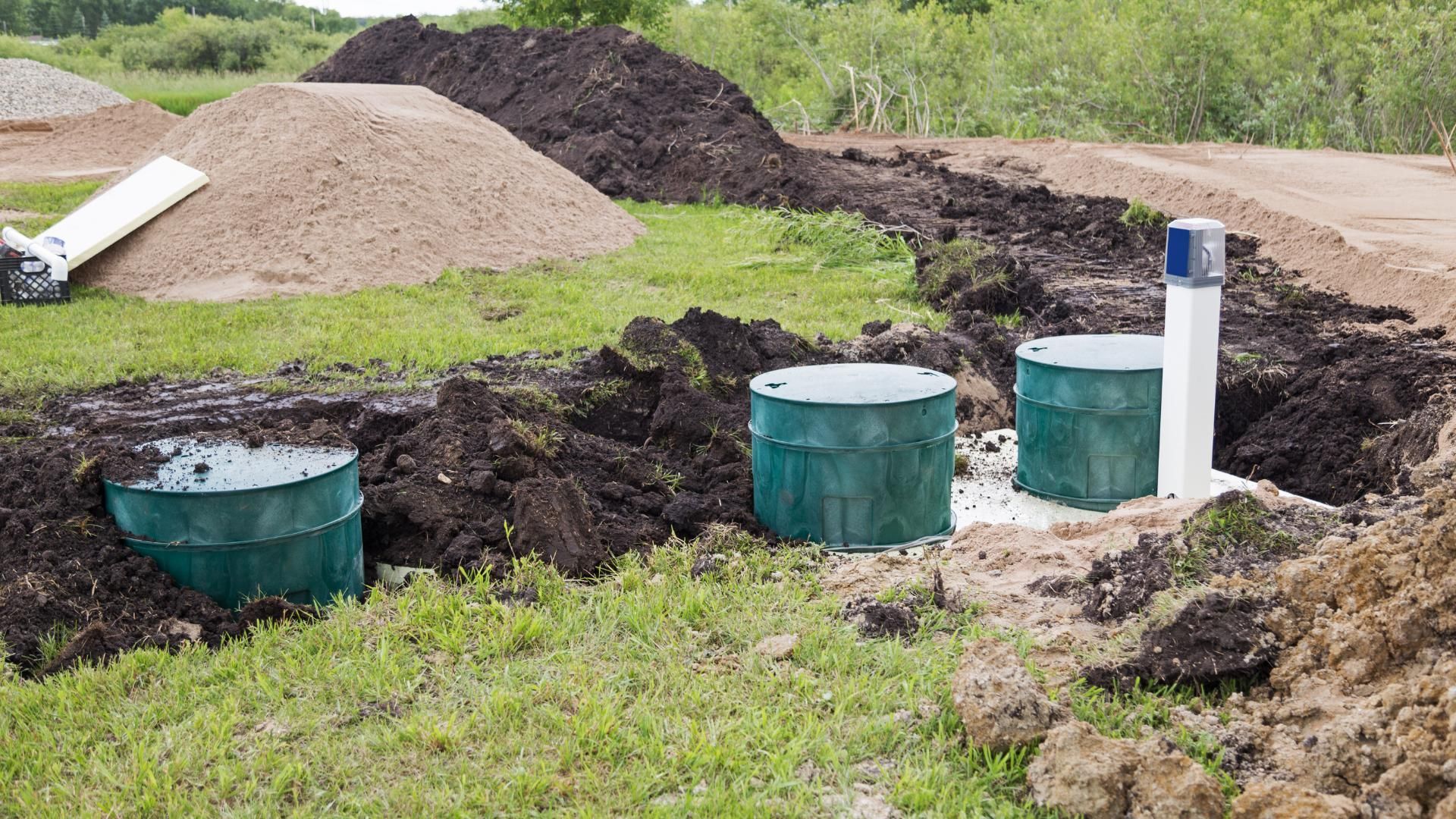
Unlike homes hooked up to a sewer system, your septic system is responsible for treating and disposing of the wastewater generated by your household every day. Septic systems are buried the ground but even though they are ‘out of sight’ they do require regular septic tank to continue functioning properly.
Once wastewater is in the septic tank it goes through a process that includes separating into solids, liquids and fats/oils. The liquid layer seeps out into a drain field which is then treated by the surrounding soil, leaving the solid and oils/grease in the tank.
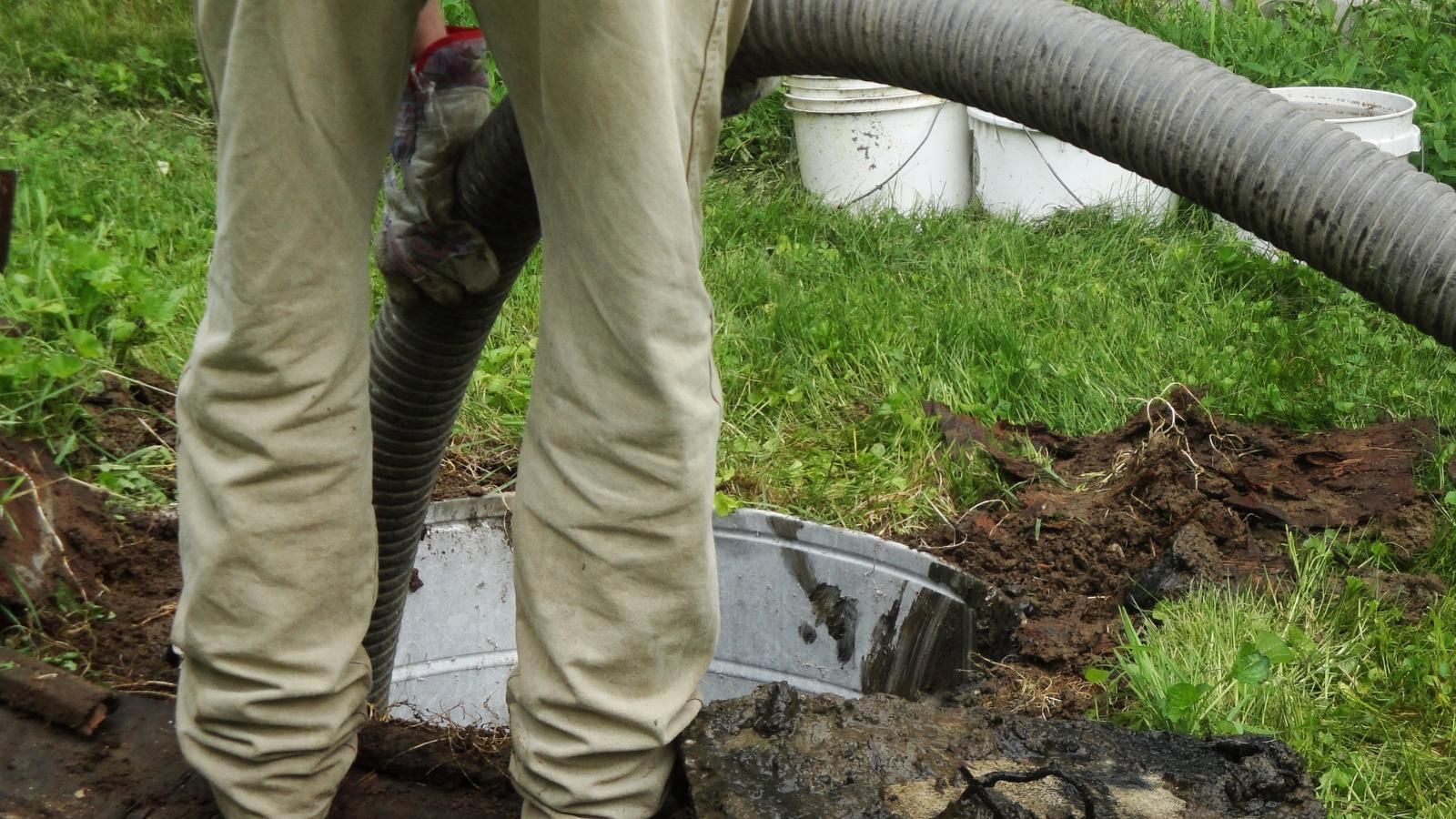
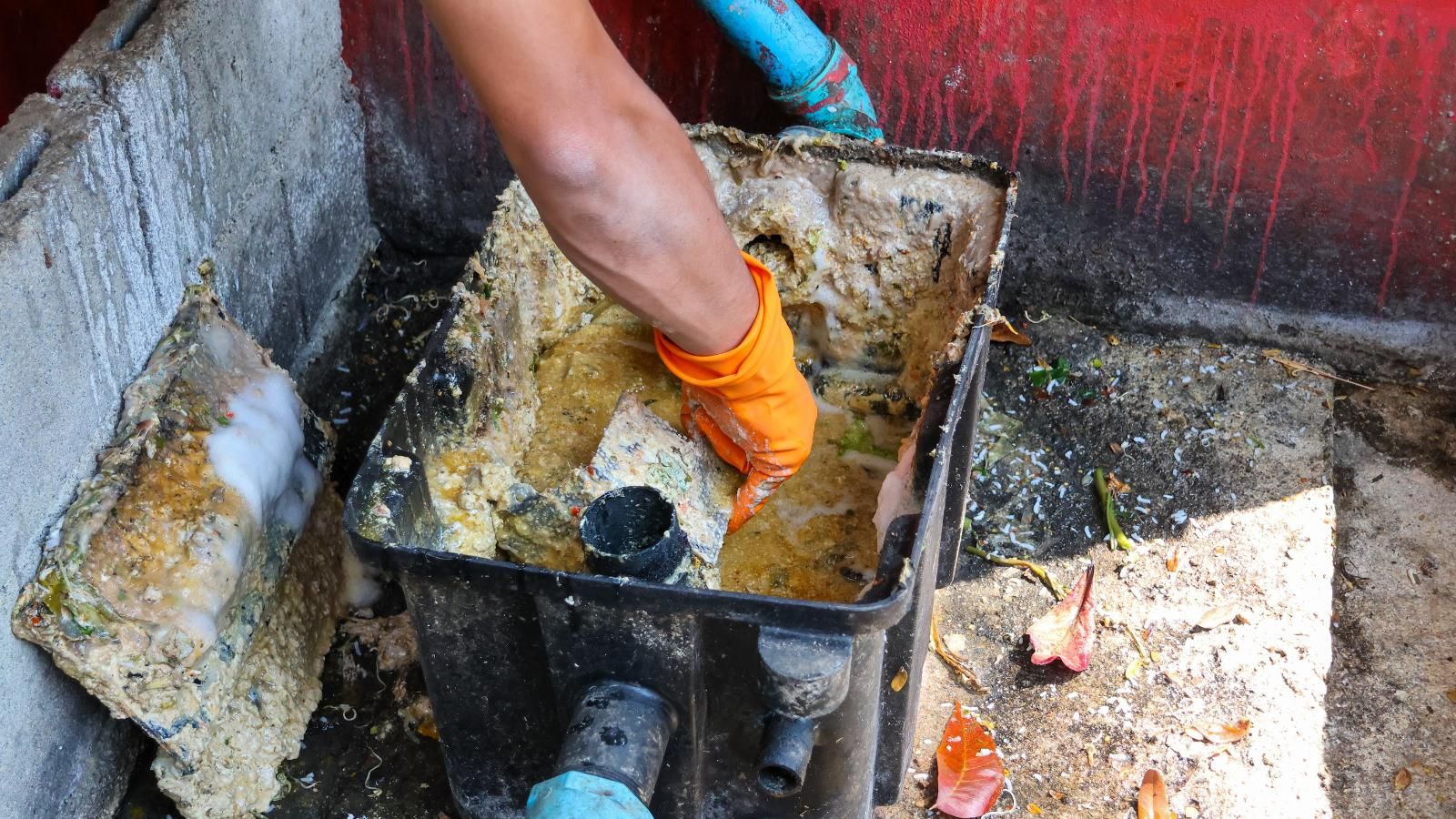
The natural bacteria is the septic tank break down solids over time, but they can only break down the majority of the particulate matter, leaving some behind. Over time or with increased use, this will reduce the overall tank capacity. That’s why routine septic pumping is vital for removing these solids so they aren’t eventually introduced into the drain field, cause clogs or even complete drain field failure.
If you aren’t sure when the last time your system was pumped, you’ve inherited an existing system or you have started to notice problems, schedule a septic tank camera inspection to get an understanding of the state of your system so you can fix problems before they become disasters.
What Affects How Often You Need Septic Tank Pumping?
The average system needs to be pumped every 3 to 5 years as a general 'how often to pump a septic tank guide' but the truth is each systems needs are based off its use.
Several factors affect pumping frequency:
- The number of people living in the home
- The size of the septic tank
- Daily water usage
- Frequent use of a garbage disposal
- The age and condition of the system
All of these factors will play a part in when your system needs pumped and that can change year to year. Scheduling an annual inspection can help you keep ahead of any changes in usage that may require more frequent pumping and servicing.
Warning Signs Your Septic Tank May Need Attention
Signs of a septic system that needs pumping or servicing can be subtle or accumulate over time. Be on the lookout for:
- Slow draining sinks, tubs, or showers
- Toilets that flush slowly or back up
- Gurgling sounds in plumbing fixtures
- Sewage odors inside the home or around the tank
- Standing water or soggy areas near the drain field
- Bright green patches of grass over the drain field during dry weather
Any of these signs are when you should call a professional for a septic tank inspection. While the problem may simply be that the tank needs pumping, it could also point to issues such as damaged baffles, blocked outlet filters, drain field problems, or excessive solids leaving the tank.
Taking the precaution of annual septic tank camera inspections can protect your overall septic system from failure and you from expensive repairs.
How Regular Maintenance Helps Prevent Septic Problems
Routine septic tank servicing and maintenance is far less expensive than repairing or replacing a failed septic system. Regular septic tank pumping removes accumulated solids before they interfere with normal operation, while periodic septic system inspections verify that the tank, baffles, filters, and drain field continue functioning as designed.
Preventative maintenance helps:
- Reduce sludge buildup
- Protect the drain field from excessive solids
- Identify developing problems early
- Extend the life of the septic system
- Reduce the likelihood of costly septic repair
What Everyday Habits Help Protect Your Septic System?
Homeowners also play an important role in the care of septic system components through everyday habits.
Simple practices include:
- Spread laundry loads throughout the week instead of washing multiple loads in one day.
- Avoid flushing wipes, paper towels, feminine hygiene products, grease, or household chemicals.
- Repair leaking faucets and running toilets that add unnecessary water to the system.
- Keep vehicles, heavy equipment, sheds, and other structures off the drain field.
Direct roof runoff and surface water away from the drain field whenever possible.
These small habits help reduce unnecessary stress on the system and support the long-term maintenance of a septic tank system.
Stay Ahead of Septic Issues with Simple Planning
While the exact schedule varies based on household size and usage, regular septic tank pumping and inspections remain the best way to protect your property and pocketbook.
Recognizing early warning signs, and working with a local, trusted company such as We Pump It Septic to follow a preventative maintenance schedule can help you avoid unexpected breakdowns, extend the life of your system, and reduce the likelihood of expensive repairs.
If you're unsure when your septic tank was last serviced or it's time for your next maintenance visit, contact We Pump It Septic. Our team provides professional septic tank pumping, thorough septic system inspection services, and dependable septic tank service to help homeowners keep their systems operating safely and efficiently for years to come.